1785
The Bhagvat-Geeta
Charles Wilkins
First English editionStatus on request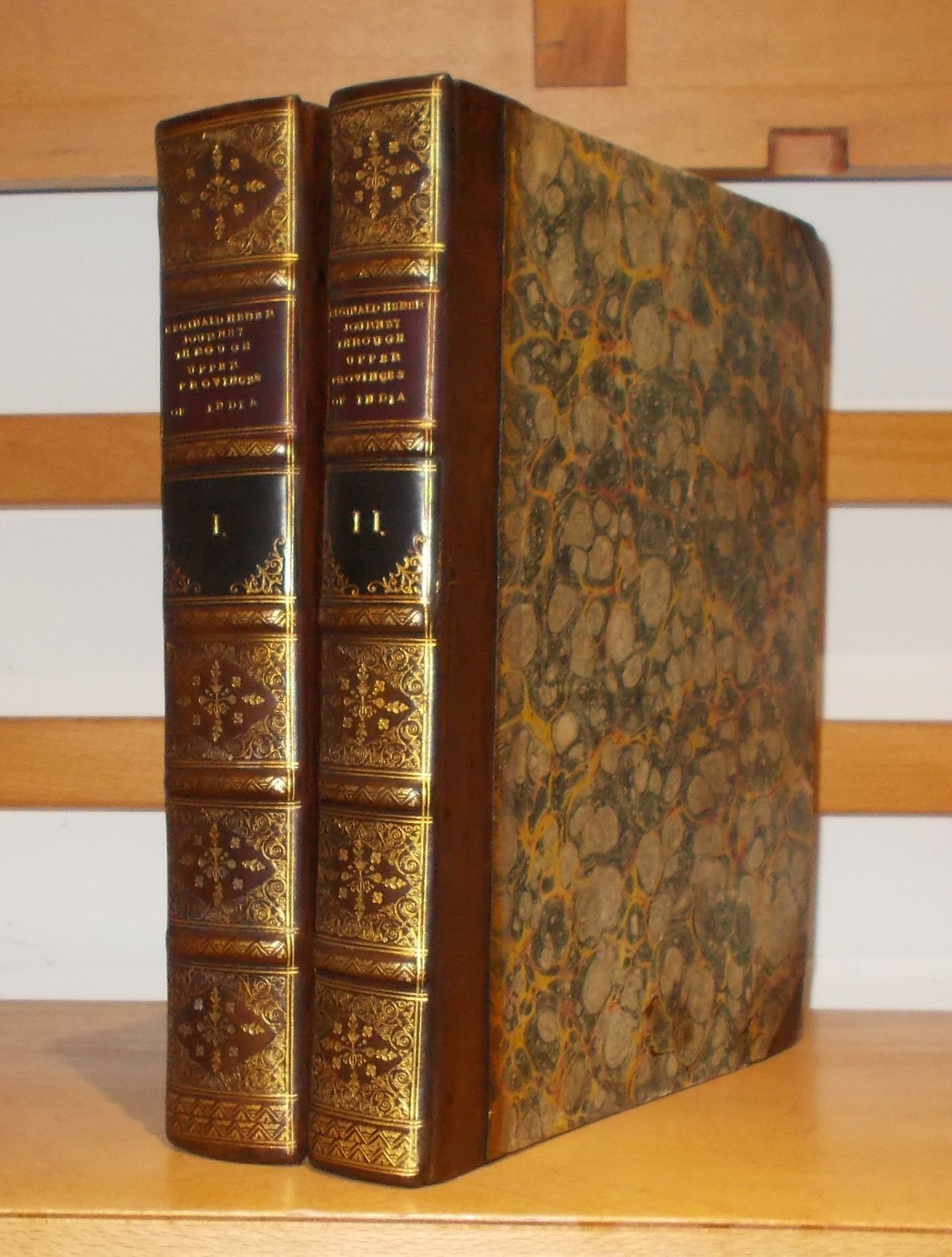
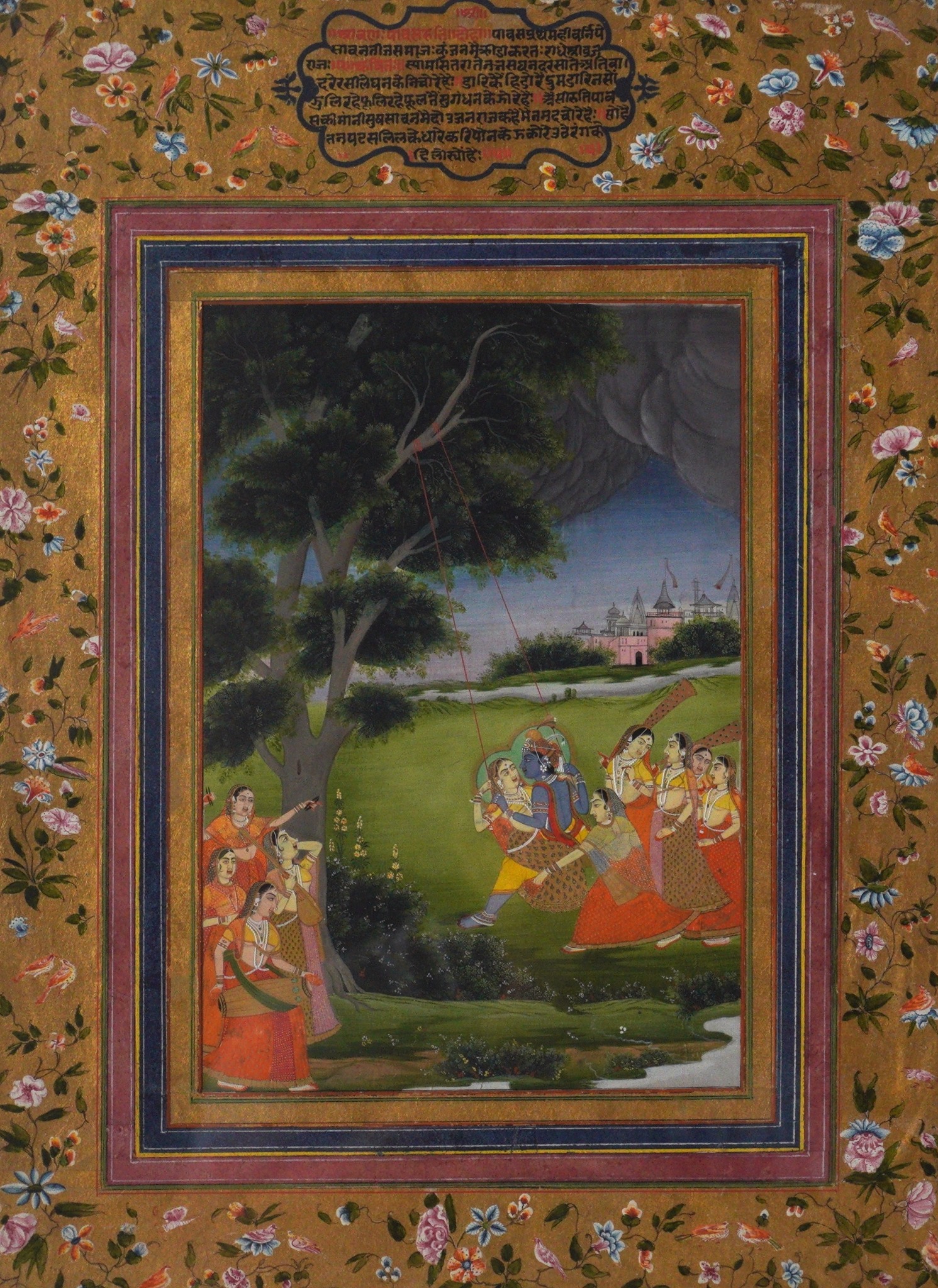
The printed word. The painted image.
Rare books & Indian miniatures
We are collectors first: neurobiologists by training, scholars by inclination, and students of Indian civilization for more than twenty-five years. We study, preserve and share the rare books and miniature paintings through which India has expressed—and encountered—the world.
Our purpose is to deepen knowledge rather than simply to sell. Selected works are occasionally made available to thoughtful collectors and institutions, and we are always happy to discuss objects, exchange ideas and share what our years of collecting have taught us.
I
A house of connoisseurship
The Eye of the Beholder brings together landmark books through which India was translated, classified and imagined, and miniature paintings in which its courts, devotions and inner worlds found enduring form.
Our collecting philosophy →About the collection
The Eye of the Beholder began not as a business, but as a private act of looking. Over more than two decades, Anirban and Rejina Sadhu have assembled works that illuminate India through two of its most intimate and enduring forms: the book held in the hand and the miniature contemplated at close quarters.
The collection is deliberately selective. A work must possess more than age or rarity. It should mark an encounter between civilizations, preserve a decisive moment in the history of ideas, or reveal the refinement of an artistic tradition. Provenance, condition and beauty matter; intellectual consequence matters still more.
Today, the collection is evolving into a specialist maison: a place where significant objects are researched deeply, presented with candour and placed with collectors and institutions who understand stewardship as a privilege.
Works that altered how India understood itself—or was understood by the world.
Beauty, rarity, condition and provenance considered together, never in isolation.
Objects placed thoughtfully, with custodians committed to their preservation.
The library
First editions, early translations, illustrated works and landmarks in the transmission of Indian knowledge.
Ten selected worksSearch the collection by author, title, date, edition or subject.
Browse the complete libraryThe painted world
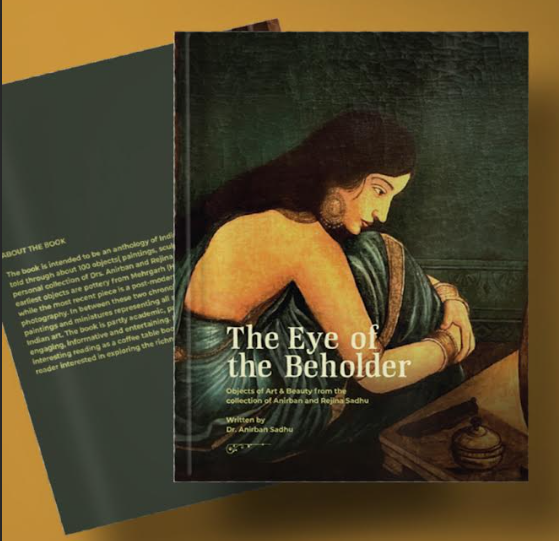
Built over more than twenty-five years, the miniature collection is academic in purpose and highly selective in character. Each painting is studied closely within its historical, artistic and devotional context, with attention to attribution, provenance, inscriptions, materials and related works in museum collections.
Important works are documented through scholarly catalogues and publications, allowing the research surrounding them to endure alongside the paintings themselves. Selected miniatures may occasionally be made available to collectors and institutions committed to their continued study and preservation.
Browse the collectionEvery published work includes
Subject, iconography, court, workshop and place within the larger visual tradition.
Materials, inscriptions, provenance, condition and close institutional comparisons.
A fully researched catalogue entry designed to remain valuable beyond the moment of acquisition.
Miniature essays
Essay 01The Changing Skin of Indian PaintingRead PDF ↗Essay 02Between the Shrine and the SalonRead PDF ↗Individual scholarly records and essays will appear as works are prepared for publication.
The reading room
Our catalogues are conceived as works of scholarship in their own right—deeply researched, extensively illustrated and designed to remain worthy of study long after an individual object has changed hands. Few specialist collections document their works with comparable depth.
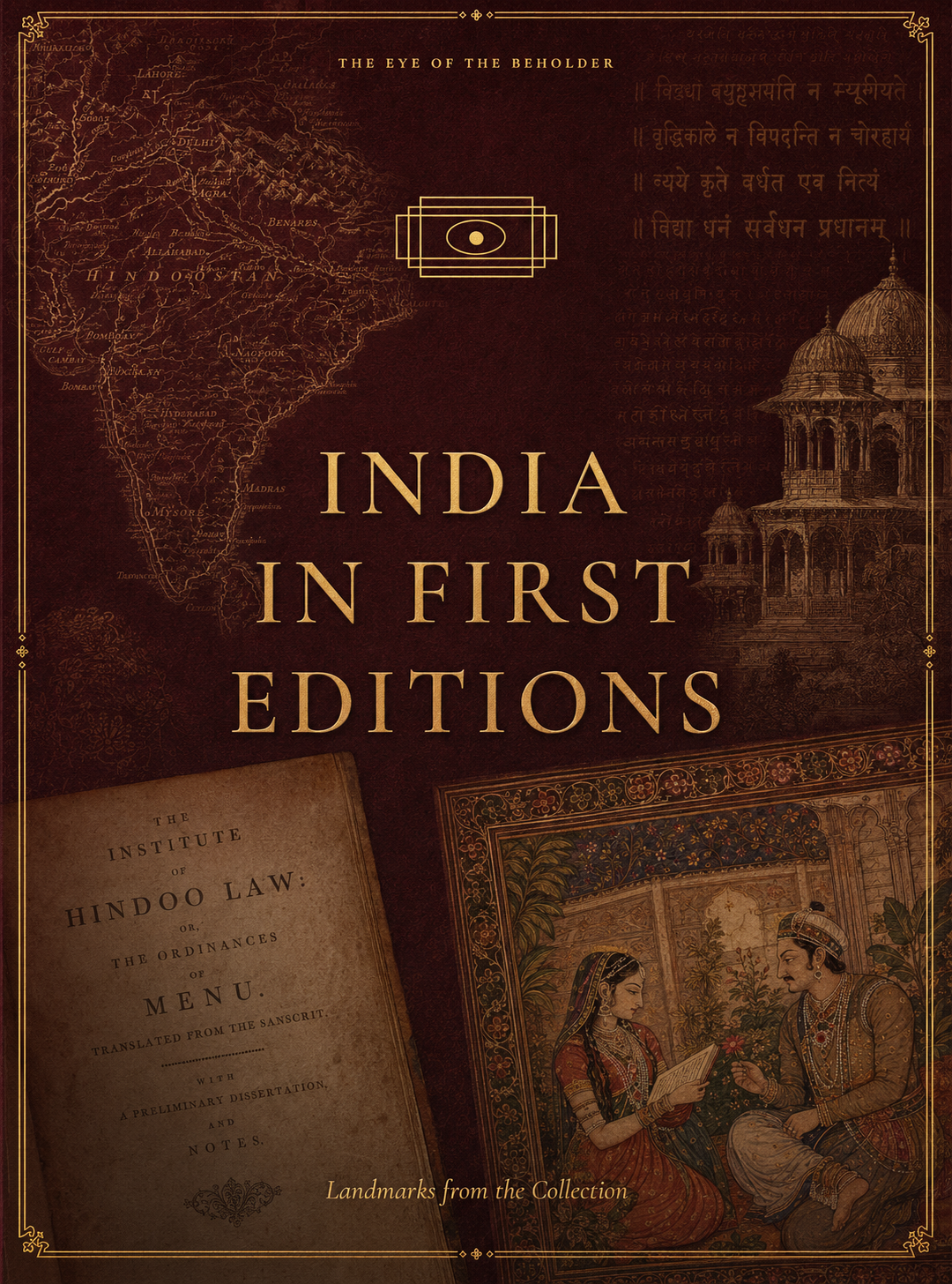
Forthcoming catalogue · 2026
A considered survey of landmark books through which Indian philosophy, law, literature and visual culture entered the age of print—and travelled into the world.
Register interestThe open library
We welcome collectors, scholars, students and all those curious about India to read and study our publications. Request a complimentary digital copy below; the download link will be sent to your email address.
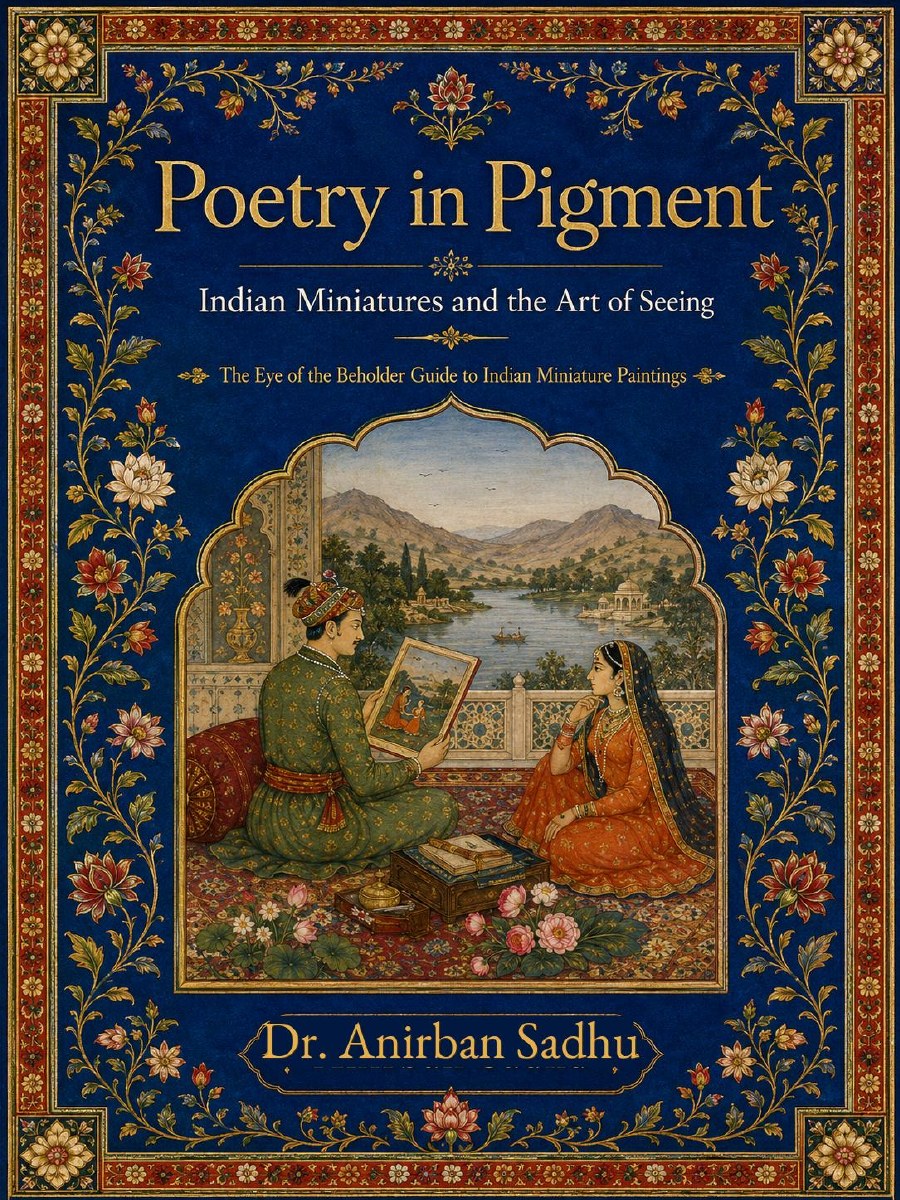
Complimentary digital edition · 274 pages
A journey through Indian art
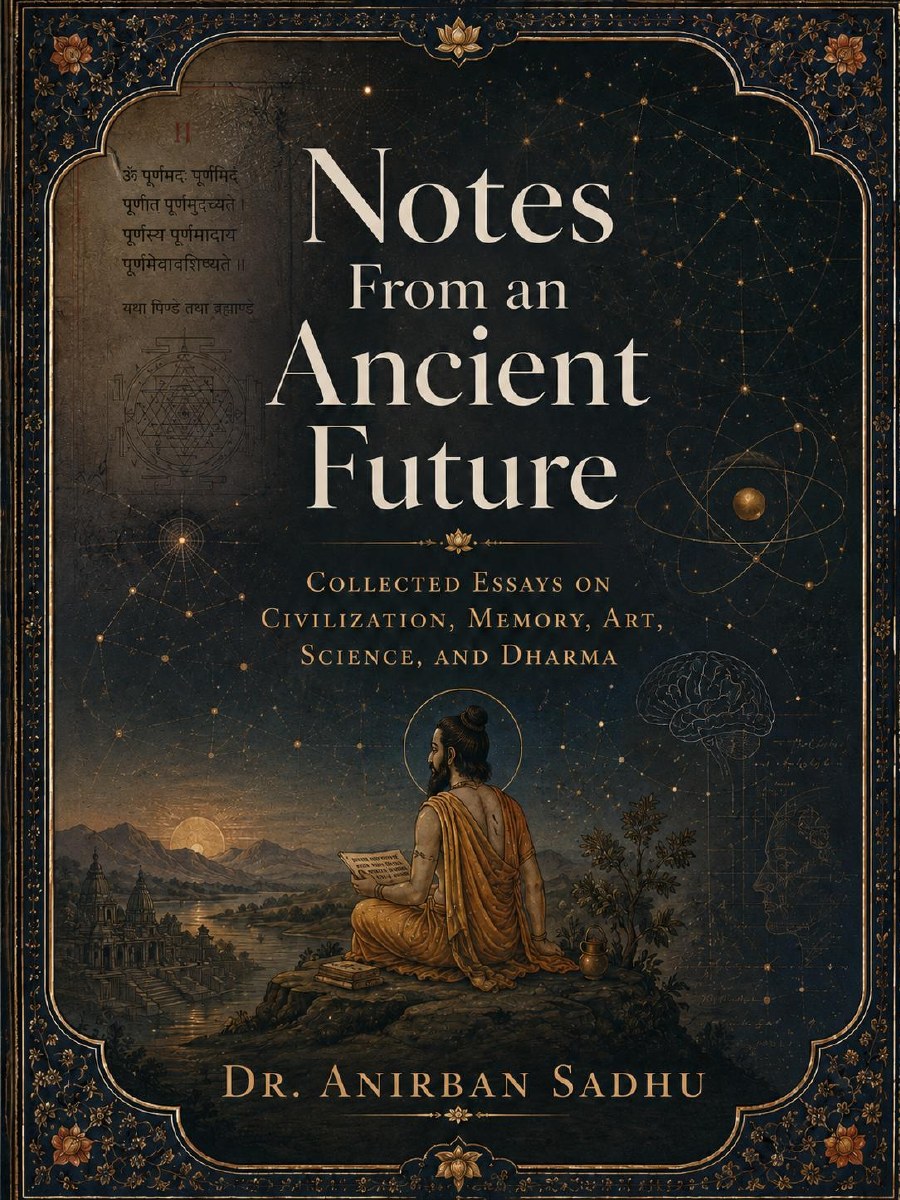
Complimentary digital edition · 186 pages
Reflections on India, civilization and continuity
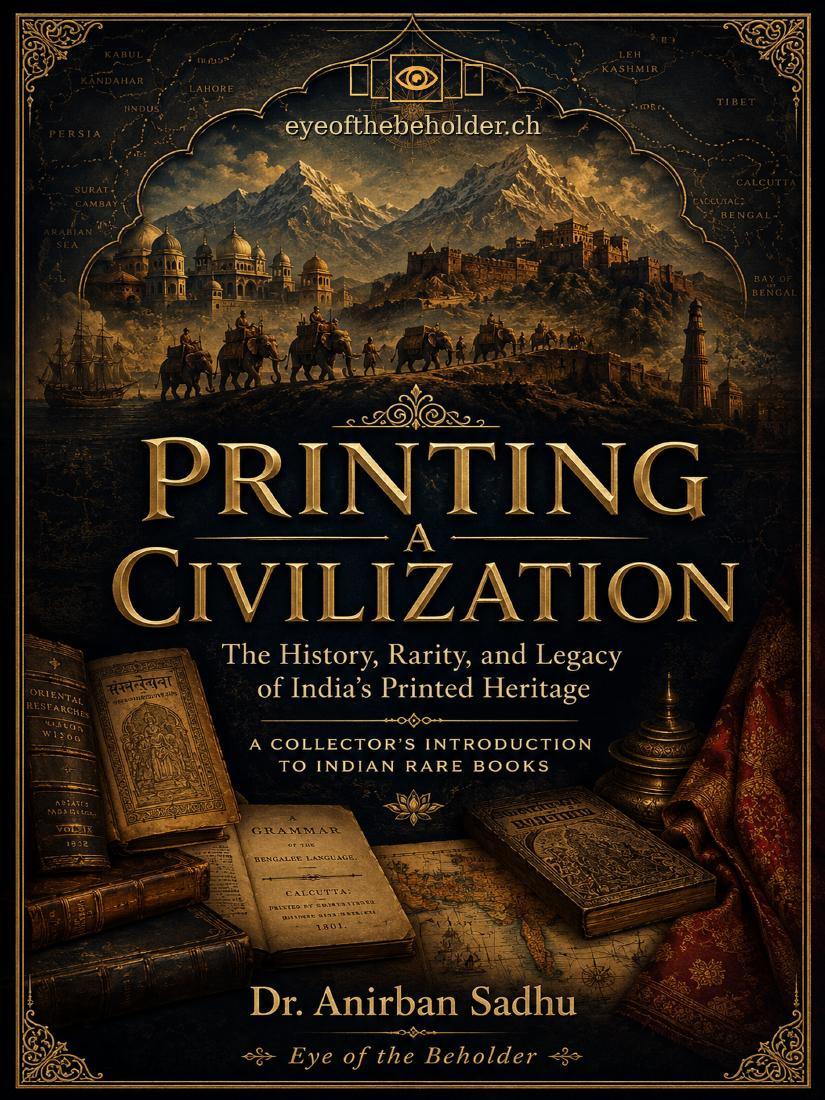
Complimentary digital edition · 133 pages
The history, rarity and legacy of India’s printed heritage
Private enquiries
We welcome enquiries concerning available works, collection-building, scholarly collaboration and significant books or miniatures you may wish to place.
Make an enquiryABOUT THE MAISON
The Eye of the Beholder is a Switzerland-based international antiquarian books and works-on-paper maison devoted exclusively to India.
We bring together rare and antiquarian books, first editions, early translations, illustrated volumes, travel narratives, Indian miniature paintings, prints and maps—objects through which India has understood itself and been encountered by the wider world. We believe we are the only international antiquarian specialist dedicated solely to India across these interconnected fields.
Established as a Swiss company in 2022, The Eye of the Beholder grew from a private collection developed over more than twenty-five years. Its founders are collectors and neuroscientists by training. Their scientific background informs an approach grounded in close observation, evidence, intellectual curiosity and an understanding that seeing is never a passive act.
We remain collectors first. For us, collecting is a form of scholarship: an attempt to understand why an object matters, how it was created, what intellectual and historical worlds it connected, how it survived and what responsibilities accompany its possession.
Every work is therefore studied with attention to bibliography, provenance, condition, iconography, historical context, printing history and the movement of ideas between cultures. Our extensive catalogues and research dossiers are conceived as works of scholarship in their own right—worthy of study beyond the individual objects they document.
The Eye of the Beholder is not a conventional online bookshop or high-volume art dealership. Our primary purpose is to preserve knowledge, encourage connoisseurship and help build thoughtful collections. Selected works may occasionally be available to collectors and institutions, but scholarship always comes first.
We welcome conversations with collectors, scholars, curators and all those interested in India’s intellectual and artistic inheritance.